Why Shower Door Seals Matter?
Bathrooms are among the most frequently used spaces in any home. Maintaining a clean, dry, and safe environment is essential for comfort and hygiene. A leaky shower door can lead to wet floors, water damage, mold growth, and even safety hazards. This is where shower door seals come in.
Though often overlooked, investing in high-quality shower door seals can transform a standard bathroom into a luxurious, leak-free space, protecting your home and ensuring a more enjoyable shower experience.
In this guide, we will cover the practical advantages, types, applications, and installation tips of shower door seals.
What Is a Shower Door Seal Strip?
Shower door seals, also known as shower strips or waterproof seals, are small but crucial components that enhance the functionality and longevity of shower doors. They act as barriers between glass doors and other surfaces, preventing water leakage while improving the overall comfort and hygiene of the bathroom.
It is a flexible strip made from materials like PVC or silicone that attaches to the edges of a shower door. Its main purpose is to prevent water from escaping the shower enclosure, keeping the bathroom floor dry and safe.
Shower door seals are primarily used on frameless glass shower doors, including swing, sliding, and corner designs. They come in different shapes—H-shaped, A-shaped, F-shaped, magnetic, U-channel, and bottom sweep seals—to match specific installation requirements.
Key characteristics of a high-quality shower door seal include:
• Durability and flexibility
• Resistance to water, mold, and mildew
• Easy installation and replacement
• Compatibility with different glass thicknesses and door designs
By understanding the types and advantages of shower door seals, homeowners and contractors can make informed decisions to maximize bathroom functionality and aesthetics.
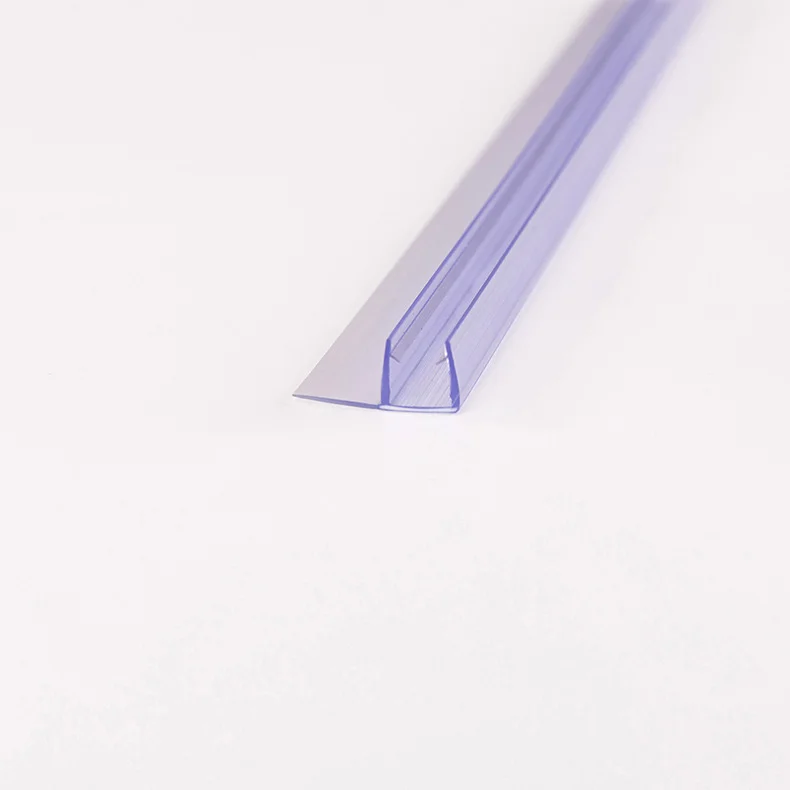
Main Advantages of Shower Door Seal Strips
Shower door seals provide a wide range of practical benefits that improve bathroom safety, comfort, and durability. Here’s a clear breakdown:
Waterproof Material Performance
High-quality seals, such as those made from PVC, are naturally resistant to water penetration. This ensures the seal itself does not absorb water, warp, or degrade over time. Material-level waterproofing forms the foundation for a leak-free shower.
Effective Water Leakage Prevention
Even the best waterproof material cannot stop leaks if gaps exist between the door and frame or floor. Properly installed seals prevent water from escaping through these gaps, keeping floors dry and avoiding slips, water damage, and mold growth.
Noise Reduction
Shower doors, especially heavy glass types, can produce noticeable noise when closing or sliding. Certain seal designs, such as F-shaped or magnetic seals, absorb impact and reduce slamming sounds, creating a quieter, more comfortable shower experience.
Dust and Insect Protection
Seals serve as a barrier against dust, dirt, and insects entering the shower area. This is particularly useful in humid climates or urban environments, ensuring the shower remains hygienic and clean.
Anti-Collision Safety
Glass doors are fragile and heavy. Seals cushion contact between glass and adjacent surfaces, reducing the risk of chipping, cracking, or injuries. This protective feature enhances overall bathroom safety.
Extending Door Lifespan
Repeated exposure to water and door movement can wear down shower doors over time. Seals protect the edges of doors from water damage, friction, and impact, prolonging the life of shower doors and hinges.
Enhanced User Comfort
By preventing water from splashing onto the bathroom floor and reducing drafts, seals help create a clean, warm, and comfortable shower environment, improving the daily shower experience.
Energy Efficiency
Seals contribute to heat retention in bathrooms. By closing gaps around the door, warm air is retained, reducing heat loss and energy consumption, especially in heated bathrooms.
Common Usage Scenarios
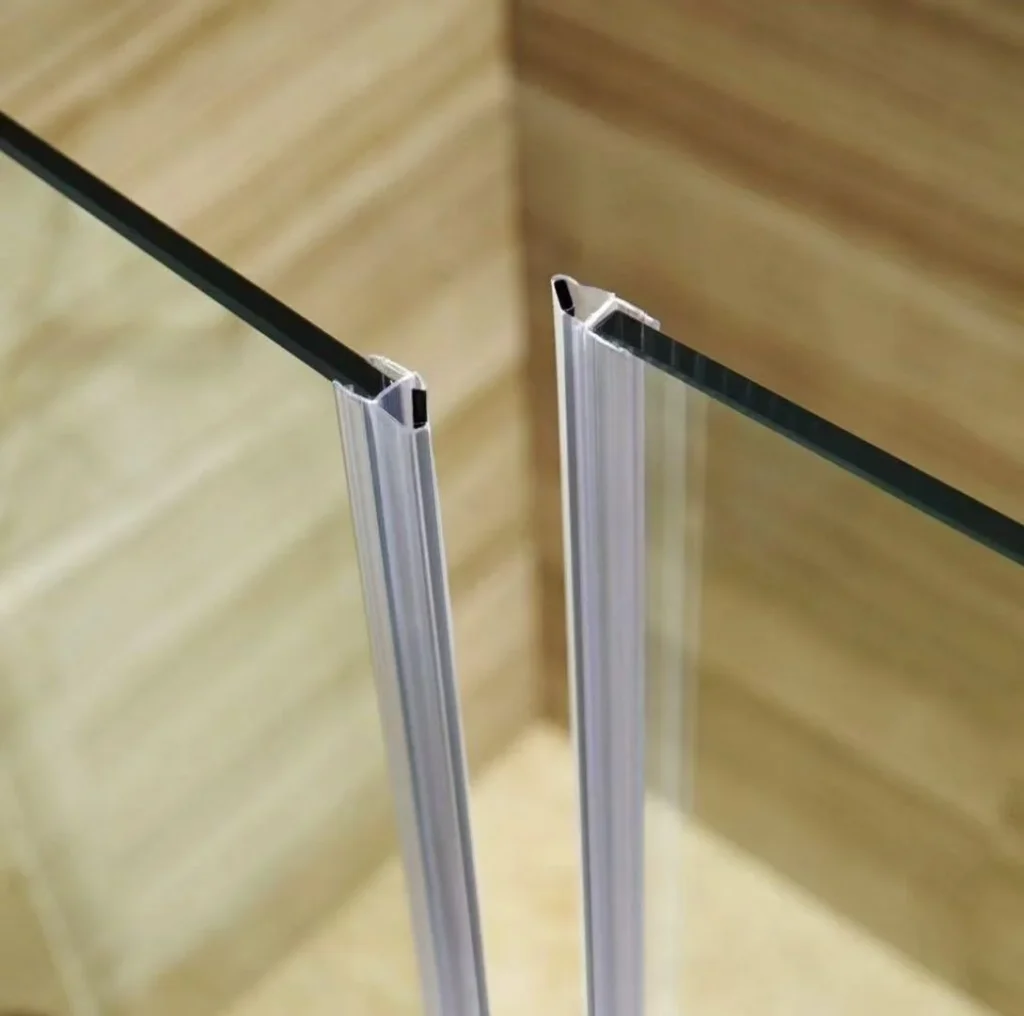
Shower door seals are essential components for frameless glass shower doors, which include swing, sliding, and corner designs. Proper sealing ensures water is contained and the bathroom remains safe and comfortable.
Frameless Glass Shower Doors
• Frameless designs have no metal frame to prevent water leakage. • Seals fill gaps between panels, walls, and floors. • Applicable for swing, sliding, or corner doors.
Bottom Door Gaps
• Many frameless doors have small bottom gaps. • Installing PVC sweep seals ensures water stays inside the shower, preventing wet floors.
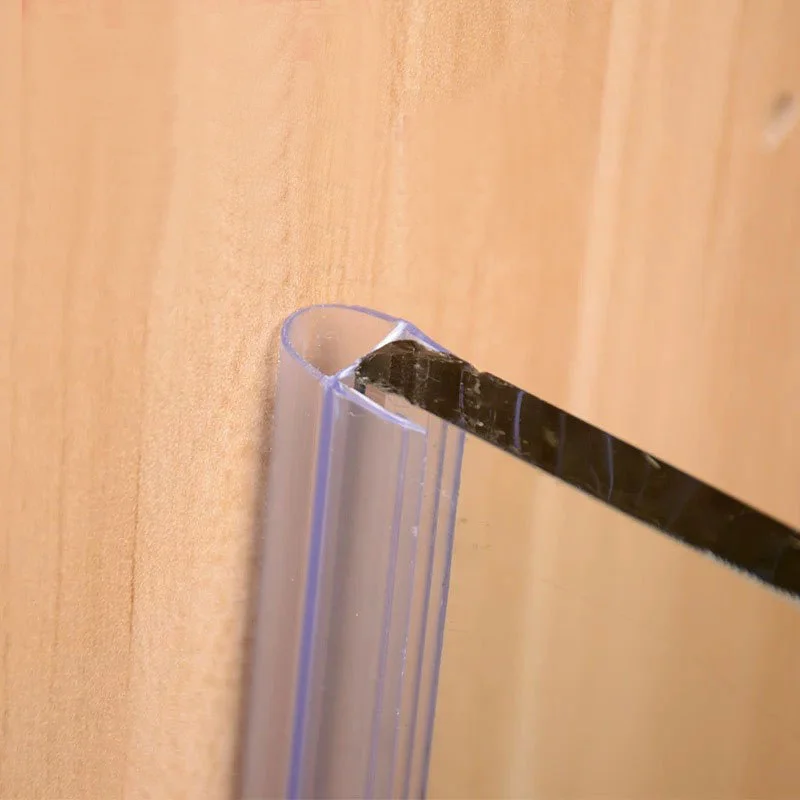
Wall-to-Glass Sealing
• Gaps between walls and glass panels can allow water to escape. • A-shaped, H-shaped, or F-shaped seals create a tight barrier against walls, improving water containment.
Types of Shower Door Seals
Choosing the right seal depends on the door type, gap size, and installation requirements. E-Star supply multi type of shower door seal strips like A shape, F shape, H shape and magetic type shower door seal strips, Here’s a breakdown of types:
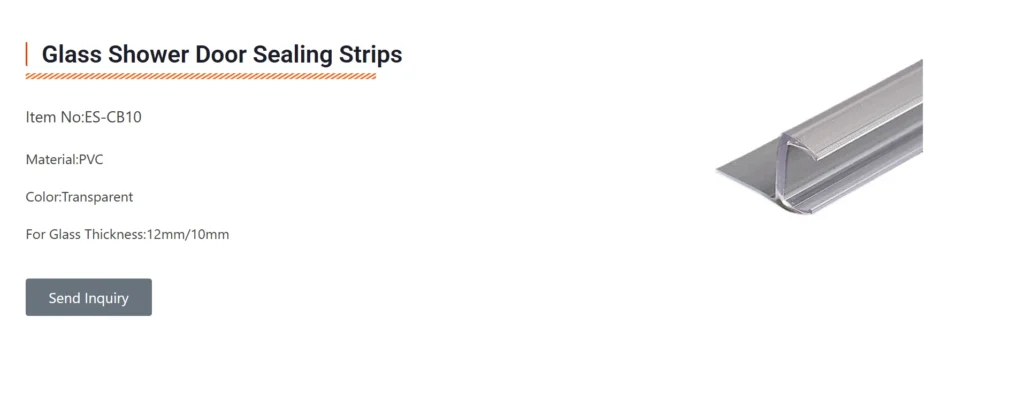
H-shaped Shower Seal (CB010)
• Material: PVC
• Usage: Ideal for frameless glass doors and small gaps
• Feature: Easy to attach and replace; provides excellent waterproofing
Advantage:
• OEM Length customization available
• Ideal for frameless and sliding doors
A-shaped Shower Door Seals (CB011)
• Material: PVC • Usage: Suitable for bottom gaps on swing or corner doors • Feature: Flexible design allows tight sealing and prevents water leakage efficiently
Advantage:
• Flexible design for tight sealing on swing or corner doors
• OEM length customization available
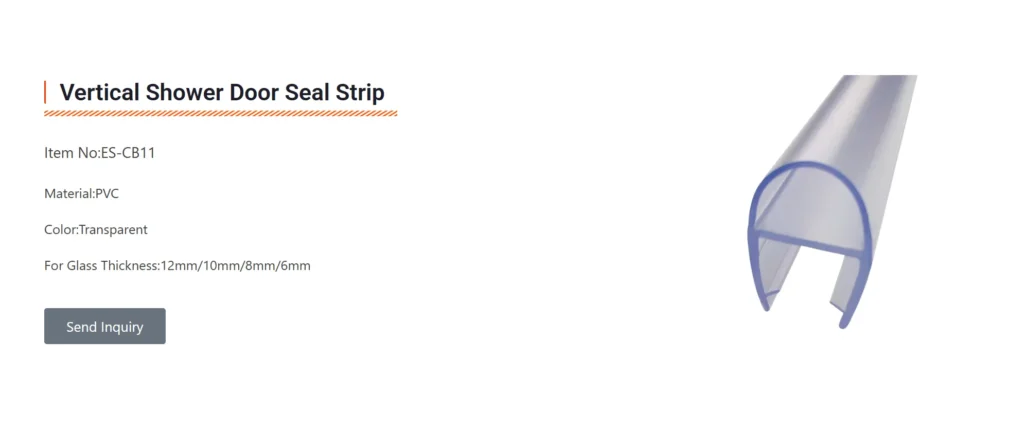
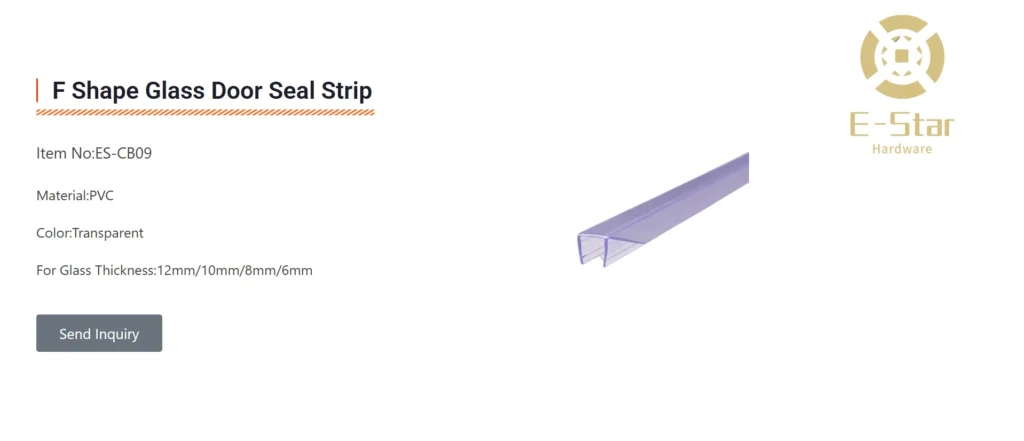
F-shaped Shower Seal (CB-09)
• Material: PVC • Usage: Designed for corners or uneven surfaces • Feature: Strong water barrier; reduces door impact noise
Advantage:
• Absorbs impact and reduces noise
• PVC material ensures durability and easy replacement
• OEM length customization available
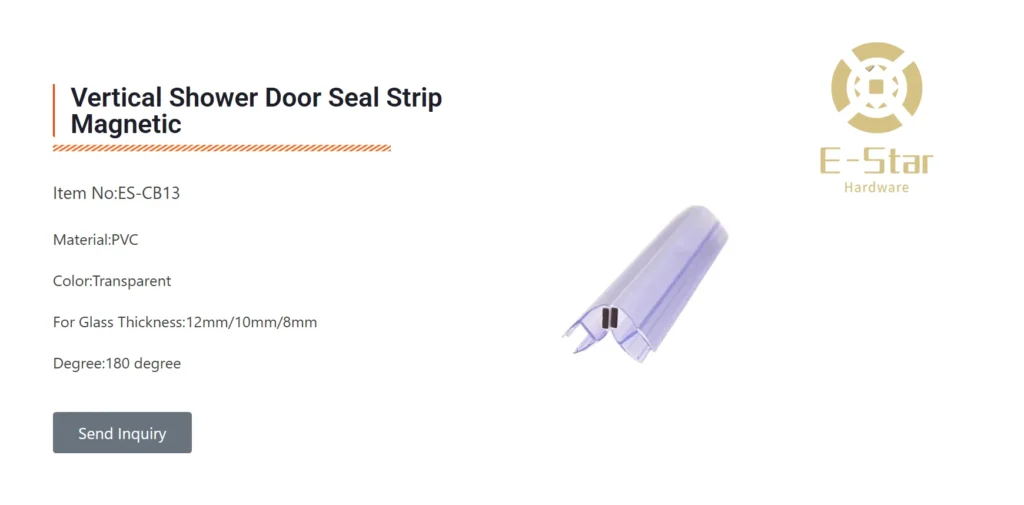
Magnetic Seals
• Material: Flexible magnetic strips embedded in PVC or silicone • Usage: Frameless glass doors requiring self-closing features • Feature: Ensures a tight seal and reduces water leakage
Bottom Sweep Seals
• Material: PVC or rubber • Usage: Bottom edges of frameless swing doors • Feature: Keeps water contained and prevents splashing
U-Channel Seals
• Material: PVC • Usage: Edge of glass panels for sliding doors • Feature: Smooth sliding motion while preventing leaks
Pro Tip: Combining seals (e.g., F-type + bottom sweep) often gives the best results for leak prevention.
Why PVC Is the Ideal Material?
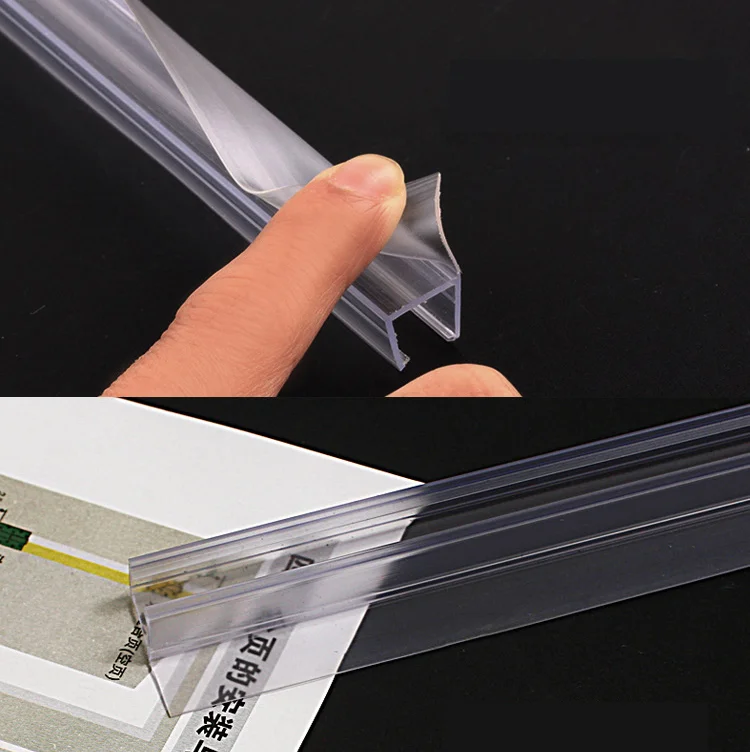
PVC (Polyvinyl Chloride) is widely used for shower door seals because it offers:
• Durability: Resistant to water, heat, and wear
• Flexibility: Conforms to various door shapes and gaps
• Ease of Installation: Can be cut and attached without specialized tools
• Cost-Effectiveness: Affordable without compromising quality
• Low Maintenance: Easy to clean, mold- and mildew-resistant
How to Choose the Correct Seal
Selecting the right seal depends on:
1. Door Design: Swing, sliding, or corner frameless doors
2. Gap Size: Measure top, bottom, and side gaps accurately
3. Material Preference: PVC is standard; silicone or magnetic options may be needed
4. Noise Reduction Needs: F-type or magnetic seals help
5. Aesthetics: Transparent or frosted seals blend with glass
Correct selection ensures maximum waterproofing, durability, and comfort.
Conclusion
Shower door seals are small but essential components that transform bathrooms from leaky and inconvenient to comfortable, safe, and luxurious. By understanding the advantages, usage scenarios, and types of seals—like H-shaped (CB010), A-shaped (CB011), and F-shaped (CB-09)—homeowners and contractors can make informed decisions for any bathroom project.
Investing in high-quality PVC shower door seals not only prevents water leakage but also reduces noise, enhances safety, extends door lifespan, and improves comfort. With OEM customization and multiple seal shapes available, creating a perfectly sealed, stylish, and functional shower space is easier than ever.
Contact our team today to find the ideal seal for your bathroom project.